

Published by AgamiSoft | Reading time: ~14 minutes
|
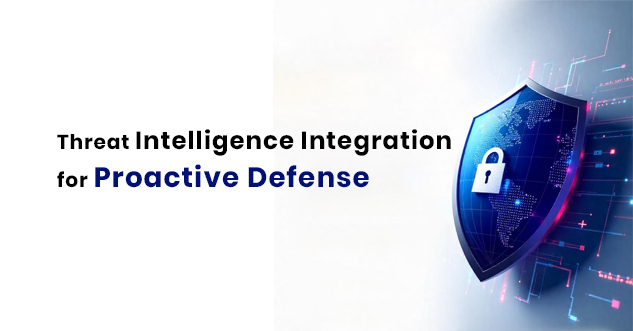
TLDR ; Threat intelligence integration connects external data on active threats malicious IP addresses, malware signatures, threat actor tactics, emerging vulnerabilities directly into the security tools that detect and respond to incidents: SIEM, SOAR, EDR, and firewalls. Organizations leveraging real-time threat intelligence detect attacks significantly faster than those relying on internal telemetry alone, because intelligence feeds surface indicators of an active campaign before that campaign reaches the organization's own network. The value of threat intelligence is determined entirely by integration depth a feed that exists in a dashboard no one checks delivers zero defensive value. |
Why Threat Intelligence Integration Has Shifted From Optional to Foundational in 2026
Security teams have access to more threat data than at any point in history and most of it goes unused. The threat intelligence market has grown to over $15 billion globally (MarketsandMarkets, 2025), yet Ponemon Institute's 2025 research found that 54% of organizations subscribing to threat intelligence feeds do not integrate them into automated detection or response workflows the intelligence exists, but it sits in a portal that analysts check manually, if at all.
That gap has become operationally indefensible for three reasons in 2026:
Attack infrastructure reuse has accelerated. Threat actors increasingly reuse infrastructure command-and-control servers, phishing domains, malware hashes across multiple campaigns and targets. When that infrastructure is identified by one organization or a threat intelligence provider, every other organization with integrated intelligence feeds receives that indicator within minutes to hours. Organizations without integration discover the same indicator only when it appears in their own logs after the attack has already begun.
Vulnerability exploitation windows have compressed dramatically. The average time between a vulnerability's public disclosure and active exploitation in the wild has dropped to under 24 hours for high-profile CVEs (Mandiant M-Trends 2025) down from weeks in 2020. Threat intelligence feeds that track active exploitation provide the only mechanism for security teams to prioritize patching based on real-world exploitation activity rather than CVSS scores alone, which frequently misrepresent actual risk.
Supply chain and third-party risk now require external visibility. An organization's own telemetry provides zero visibility into whether a vendor, supplier, or partner has been compromised information that threat intelligence platforms, particularly those monitoring dark web marketplaces and breach forums, can surface before the compromised third party even discloses the breach.
For SOC teams and CISOs, threat intelligence integration is the difference between a security program that reacts to what has already happened inside the network and one that anticipates what is coming based on what is happening to peer organizations, industry sectors, and the broader threat landscape right now.
What Is Threat Intelligence Integration, Exactly and What Does a Complete Program Cover?
Threat intelligence is processed information about current and emerging cyber threats including indicators of compromise (IOCs), threat actor tactics, techniques, and procedures (TTPs), vulnerability exploitation activity, and campaign attribution collected from external sources and analyzed for defensive relevance.
Threat intelligence integration is the technical and operational process of connecting that intelligence directly into the tools and workflows where security decisions are made rather than maintaining it as a separate reference resource that analysts consult manually.
Threat intelligence operates across three classification tiers, each serving a different operational purpose:
Strategic intelligence high-level information about threat actor motivations, sector targeting trends, and geopolitical factors affecting an organization's threat landscape. Consumed by CISOs and security leadership for risk prioritization and budget allocation. Typically delivered through reports and briefings rather than automated feeds.
Tactical intelligence information about specific threat actor TTPs, mapped to frameworks like MITRE ATT&CK the industry-standard knowledge base of adversary tactics and techniques observed in real-world attacks. Tactical intelligence informs detection rule development: if intelligence indicates a threat actor group is using a specific PowerShell obfuscation technique, SOC teams can build detection rules for that specific technique before it appears in their environment.
Operational/tactical intelligence (IOCs) the highest-volume, most directly actionable tier: specific indicators of compromise including malicious IP addresses, domain names, file hashes, email addresses used in phishing campaigns, and URLs. Indicators of compromise (IOCs) are the data points that integrate directly into detection systems a SIEM rule that flags any connection to a known-malicious IP address, or an email security gateway that blocks messages from a known phishing sender domain.
A complete threat intelligence integration program covers four components:
1. Feed aggregation collecting intelligence from multiple sources: commercial threat intelligence platforms, open-source intelligence (OSINT), industry-specific Information Sharing and Analysis Centers (ISACs), and government sources (CISA, NCSC)
2. Normalization and deduplication threat intelligence platforms (TIPs) ingest feeds in multiple formats (STIX/TAXII, JSON, CSV) and normalize them into a unified format, removing duplicate indicators across feeds and scoring indicators by confidence and relevance
3. Enrichment integration pushing normalized intelligence into SIEM, SOAR, and EDR platforms so that every alert is automatically checked against current threat intelligence an alert involving an IP address that matches a known command-and-control server is immediately flagged with that context
4. Proactive hunting and blocking using intelligence to proactively search historical logs for indicators that weren't flagged at the time (retrospective hunting) and to proactively block known-malicious indicators at the perimeter before any alert is generated
STIX/TAXII Structured Threat Information Expression and Trusted Automated Exchange of Indicator Information are the industry-standard protocols for machine-readable threat intelligence sharing, enabling automated feed ingestion between threat intelligence platforms and security tools without manual data transformation.
The Detection Speed and Risk Reduction Numbers Behind Threat Intelligence Integration
Detection Speed: With vs Without Threat Intelligence Integration
|
Detection Metric |
Without TI Integration |
With TI Integration |
Improvement |
|
Mean time to identify known-bad indicators |
18–24 hours (manual log review) |
Under 5 minutes (automated matching) |
99%+ faster |
|
Vulnerability prioritization accuracy |
CVSS score alone |
CVSS + active exploitation data |
Significantly more accurate |
|
Phishing campaign detection (organization-wide) |
Reactive (after first victim reports) |
Proactive (blocked before delivery) |
Prevents initial compromise |
|
Third-party breach awareness |
Discovered via vendor disclosure or breach |
Often discovered via dark web monitoring before disclosure |
Days to weeks earlier |
|
Retrospective compromise detection (historical IOC matching) |
Not performed |
Automated on feed update |
Identifies prior undetected compromise |
Sources: Mandiant M-Trends 2025; Recorded Future Threat Intelligence Impact Report 2025; Ponemon Institute 2025.
Exploitation Timeline Pressure
-
The average time-to-exploitation for high-severity CVEs has dropped to under 24 hours from public disclosure for actively targeted vulnerabilities (Mandiant, 2025)
-
Organizations using threat intelligence to prioritize patching based on active exploitation data patch critical vulnerabilities 65% faster than organizations using CVSS score alone for prioritization (Recorded Future, 2025)
-
28% of vulnerabilities with available exploits are exploited within the first 24 hours of public disclosure meaning patch cycles measured in weeks provide zero protection against this category (Tenable Threat Landscape Report, 2025)
Integration Coverage Gap
-
54% of organizations subscribing to threat intelligence feeds do not integrate them into automated detection workflows the intelligence exists but is not operationally actionable (Ponemon, 2025)
-
Organizations with fully integrated threat intelligence (feeds connected to SIEM, SOAR, and EDR simultaneously) report 43% fewer successful breaches compared to organizations with feed subscriptions but no integration (IBM, 2025)
-
Dark web monitoring integrated into threat intelligence programs identifies compromised credentials an average of 102 days before those credentials are used in an attack against the organization a window during which proactive password resets prevent exploitation entirely (Digital Shadows/ReliaQuest, 2025)
How to Implement Threat Intelligence Integration: A 5-Step Framework
Step 1: Select Threat Intelligence Feeds Aligned to Your Threat Profile
Not all threat intelligence is equally relevant to every organization. Selecting feeds requires matching intelligence sources to your specific threat profile:
-
Industry-specific feeds: Information Sharing and Analysis Centers (ISACs) provide intelligence specific to your sector Financial Services ISAC (FS-ISAC), Healthcare ISAC (H-ISAC), and similar organizations share intelligence specifically relevant to the threat actors targeting your industry
-
Geography-specific feeds: national CERT feeds (CISA in the US, NCSC in the UK, relevant GCC national CSIRTs) provide intelligence on threats targeting organizations in specific jurisdictions
-
Commercial threat intelligence platforms: broad-coverage feeds from providers like Recorded Future, Mandiant, and CrowdStrike provide global threat actor tracking, malware analysis, and vulnerability intelligence at scale
-
Open-source intelligence (OSINT): free feeds including AlienVault OTX, abuse.ch, and MISP communities provide community-shared IOCs at no licensing cost, suitable as a supplementary layer
Avoid the common mistake of subscribing to the maximum number of feeds available. Feed volume without relevance filtering produces alert fatigue from threat intelligence itself flooding SIEM rules with low-relevance indicators that generate false positives at the same rate the feeds claimed to reduce them.
Step 2: Deploy a Threat Intelligence Platform for Aggregation and Normalization
A threat intelligence platform (TIP) aggregates feeds from multiple sources, normalizes formats (STIX/TAXII, JSON, CSV) into a unified indicator format, deduplicates overlapping indicators across feeds, and applies confidence scoring based on source reliability and corroboration across multiple feeds.
Configure your TIP to:
-
Ingest all selected feeds via STIX/TAXII where available the standard protocol enables automated, real-time feed updates without manual file imports
-
Apply confidence scoring an indicator reported by three independent feeds receives higher confidence than one reported by a single source
-
Set indicator expiration policies IOCs have a useful lifespan; malicious IP addresses are frequently reassigned to legitimate use within weeks, and stale IOCs in active blocklists generate false positives against legitimate traffic
-
Apply relevance filtering tag indicators by sector, geography, and TTP relevance to your specific environment, reducing the volume pushed to downstream tools to genuinely relevant intelligence
Step 3: Integrate Enrichment Into SIEM and SOAR Workflows
This is where threat intelligence becomes operationally active rather than a reference resource. Configure your SIEM to automatically check every incoming alert against your aggregated threat intelligence:
-
Every alert involving an IP address, domain, URL, file hash, or email address is automatically checked against current IOC feeds
-
Matches are flagged with the matching intelligence context which threat actor or campaign is this indicator associated with, what confidence score, what TTPs are typically associated with this actor
-
High-confidence matches trigger SOAR playbooks for automated containment an alert matching a known command-and-control IP with high confidence triggers automatic blocking at the firewall and endpoint isolation if the connection originated from an internal host
For EDR integration specifically, push threat intelligence indicators into your EDR platform's custom detection rules enabling the EDR to flag and block process behavior, file hashes, and network connections matching threat intelligence in real time, independent of SIEM correlation.
Step 4: Map Tactical Intelligence to MITRE ATT&CK for Proactive Detection Engineering
Beyond IOC matching, use tactical intelligence threat actor TTPs mapped to MITRE ATT&CK to proactively build detection rules for techniques your environment cannot currently detect, before those techniques are used against you:
-
Identify which threat actor groups are most relevant to your industry and geography based on threat intelligence reporting
-
Map those groups' known TTPs to MITRE ATT&CK technique IDs
-
Assess your current detection coverage against those specific techniques using your SIEM's existing rule set or a dedicated detection coverage assessment tool
-
Prioritize detection rule development for high-relevance techniques with current coverage gaps
This proactive detection engineering approach building detection capability for techniques used by threat actors relevant to your sector before those techniques appear in an attack against you is the practical application of "proactive cybersecurity" that threat intelligence integration enables.
Step 5: Implement Continuous Retrospective Hunting and Dark Web Monitoring
Threat intelligence integration is not only forward-looking. Two retrospective and external monitoring capabilities deliver significant value:
-
Retrospective IOC hunting: when a new high-confidence IOC is added to your threat intelligence feeds, automatically search historical logs (typically 90–180 days) for any matches identifying compromises that occurred before the indicator was known and were not detected at the time
-
Dark web and breach monitoring: continuous monitoring of dark web marketplaces, breach forums, and paste sites for your organization's domain, employee credentials, and proprietary data identifying compromised credentials an average of 102 days before they are used in an attack, providing a window for proactive credential rotation
Both capabilities convert threat intelligence from a real-time defensive layer into a continuous risk discovery process identifying exposure that existed before the intelligence became available.
Which Threat Intelligence Platforms and Sources Deliver Best Results in 2026?
For comprehensive commercial threat intelligence:
Recorded Future provides the broadest commercial threat intelligence platform combining IOC feeds, threat actor tracking, vulnerability intelligence with exploitation data, and dark web monitoring in a single platform with extensive SIEM/SOAR integration. Mandiant Advantage (Google Cloud) leverages Mandiant's incident response engagement data to provide threat actor intelligence with direct attribution based on real-world breach investigations particularly valuable for understanding which specific threat actors are actively targeting your sector. CrowdStrike Falcon Intelligence integrates natively with CrowdStrike's EDR platform, providing threat intelligence directly correlated with endpoint detection data.
For threat intelligence platform (TIP) aggregation:
ThreatConnect and Anomali ThreatStream are the leading TIP platforms for aggregating, normalizing, and operationalizing multiple threat intelligence feeds both provide STIX/TAXII ingestion, confidence scoring, and bidirectional integration with major SIEM and SOAR platforms. MISP (Malware Information Sharing Platform, open-source) provides a no-cost TIP option widely used by ISACs and government CERTs for community intelligence sharing.
For industry-specific intelligence sharing:
FS-ISAC (Financial Services) and H-ISAC (Healthcare) provide sector-specific intelligence sharing communities membership-based, providing intelligence specifically relevant to threat actors targeting your industry that broad commercial feeds may not prioritize.
For open-source intelligence (OSINT):
AlienVault OTX (AT&T Cybersecurity, free) provides community-contributed IOC feeds covering a broad range of threats at no licensing cost a valuable supplementary layer, though requiring more careful confidence scoring than commercial feeds due to variable contributor quality. abuse.ch provides specialized feeds for malware, botnet, and phishing infrastructure tracking, widely used as a supplementary feed for SIEM enrichment.
For dark web and credential monitoring:
Recorded Future and Digital Shadows (ReliaQuest) provide dedicated dark web monitoring tracking breach forums, marketplaces, and paste sites for organizational exposure, with automated alerting when employee credentials or proprietary data appear in monitored sources.
For detection coverage mapping:
MITRE ATT&CK Navigator (free) provides the framework for mapping threat actor TTPs to detection coverage the foundational tool for the proactive detection engineering workflow described in Step 4.
Explore our Security Operations Center Services and Managed Detection & Response capabilities for organizations integrating threat intelligence into proactive, automated security operations.
What Goes Wrong With Threat Intelligence Integration and How to Prevent Each Failure
Failure 1: Subscribing to Feeds Without Building Integration
The most common and most expensive threat intelligence failure affecting 54% of organizations is purchasing feed subscriptions that deliver intelligence to a dashboard that analysts check manually, if at all. A threat intelligence feed that is not connected to SIEM correlation rules, SOAR playbooks, or EDR custom detections delivers zero automated defensive value regardless of its data quality. Before purchasing any threat intelligence subscription, confirm your team has the integration capacity either internal engineering time or vendor-provided integration support to operationalize the feed within 30 days of subscription. An unintegrated feed is a sunk cost generating no security value.
Failure 2: Ingesting Excessive Feed Volume Without Relevance Filtering
Organizations that subscribe to every available threat intelligence feed commercial, OSINT, and community sources without relevance filtering create a volume problem that mirrors the alert fatigue problem threat intelligence is meant to solve. Millions of low-relevance IOCs pushed into SIEM correlation rules generate false positive matches against legitimate traffic at a rate that erodes analyst trust in threat intelligence matches entirely. Apply relevance filtering based on your industry, geography, and technology stack before pushing indicators into active detection rules quality and relevance matter more than volume.
Failure 3: Treating IOC Matching as Sufficient Without Tactical Intelligence Application
IOC matching blocking known-malicious IP addresses and file hashes is the lowest-value, highest-volume application of threat intelligence, because IOCs have short useful lifespans and threat actors rotate infrastructure specifically to evade IOC-based detection. Organizations that implement IOC matching and consider their threat intelligence program complete miss the higher-value application: tactical intelligence mapped to MITRE ATT&CK, which identifies detection capability gaps for the TTPs threat actors actually use capability gaps that remain exploitable regardless of how frequently IOC feeds are updated.
Failure 4: Failing to Apply Indicator Expiration and Confidence Decay
Threat intelligence indicators are time-sensitive. A malicious IP address blocked six months ago may now be reassigned to a legitimate cloud service and a stale blocklist entry generates false positives against legitimate business traffic. Organizations that ingest threat intelligence feeds without configuring indicator expiration policies accumulate blocklists and detection rules containing increasingly stale, increasingly false-positive-prone entries degrading both detection accuracy and analyst trust in threat intelligence-driven alerts over time. Configure expiration policies based on indicator type: IP addresses and domains expire faster (weeks to months) than file hashes and YARA signatures for specific malware families (which can remain relevant for years).
Frequently Asked Questions
What Is Threat Intelligence?
Threat intelligence is processed information about current and emerging cyber threats collected from external sources and analyzed for defensive relevance spanning three tiers: strategic intelligence (threat actor motivations and sector targeting trends, used for risk prioritization), tactical intelligence (threat actor tactics, techniques, and procedures mapped to frameworks like MITRE ATT&CK, used for detection engineering), and operational intelligence (specific indicators of compromise malicious IPs, domains, file hashes used for direct detection and blocking). Threat intelligence becomes operationally valuable only when integrated into security tools (SIEM, SOAR, EDR) that can act on it automatically, rather than existing as a reference resource that requires manual analyst review.
Which Threat Intelligence Feeds Are Most Valuable?
The most valuable threat intelligence feeds depend on an organization's specific threat profile, but three categories consistently deliver the highest value across most organizations. Industry-specific feeds from sector ISACs (FS-ISAC for financial services, H-ISAC for healthcare) provide intelligence specifically relevant to threat actors targeting your sector. Commercial platforms with active exploitation tracking Recorded Future, Mandiant Advantage allow vulnerability prioritization based on real-world exploitation activity rather than CVSS scores alone, which is critical given that high-severity CVEs are now exploited within 24 hours of disclosure in many cases. Dark web monitoring feeds identify compromised credentials an average of 102 days before exploitation, providing a proactive remediation window unavailable from any internal telemetry source.
How Do Organizations Integrate Threat Intelligence?
Organizations integrate threat intelligence through a four-stage technical process. First, feed aggregation collecting intelligence from commercial, OSINT, and industry-specific sources, typically via STIX/TAXII protocols for automated ingestion. Second, normalization through a threat intelligence platform (TIP) like ThreatConnect or Anomali ThreatStream deduplicating overlapping indicators across feeds and applying confidence scoring. Third, enrichment integration connecting the TIP to SIEM, SOAR, and EDR platforms so every alert is automatically checked against current threat intelligence, with high-confidence matches triggering automated containment through SOAR playbooks. Fourth, proactive application mapping tactical intelligence to MITRE ATT&CK for detection engineering, and running retrospective IOC hunting against historical logs whenever new high-confidence indicators are added to feeds.
Integrate Before You Subscribe. Filter for Relevance. Apply Tactical Intelligence Beyond IOC Matching.
Threat intelligence integration delivers its defensive value only when intelligence flows automatically into the tools that detect and respond to threats not when it sits in a dashboard awaiting manual review. The 54% of organizations with unintegrated feed subscriptions are paying for intelligence that delivers zero operational benefit.
The SOC teams achieving the strongest proactive defense outcomes in 2026 share one operational discipline: they evaluated integration capacity before purchasing feed subscriptions, applied relevance filtering to keep indicator volume manageable, and extended beyond IOC matching into tactical intelligence mapped to MITRE ATT&CK for proactive detection engineering closing capability gaps before threat actors exploit them.
Audit your current threat intelligence subscriptions this week identify which feeds are integrated into automated detection versus which exist as unused dashboards. Configure indicator expiration policies for your existing IOC-based detection rules before stale entries generate further false positives. Select the threat actor groups most relevant to your sector and map their TTPs to your current MITRE ATT&CK detection coverage. Implement retrospective hunting against your most recent 90 days of logs using your highest-confidence current indicators.
To build a threat intelligence integration program that connects external intelligence to automated detection, response, and proactive detection engineering, explore our Security Operations Center Services and Managed Detection & Response capabilities structured for security teams that need threat intelligence delivered as operational defense, not a subscription dashboard.